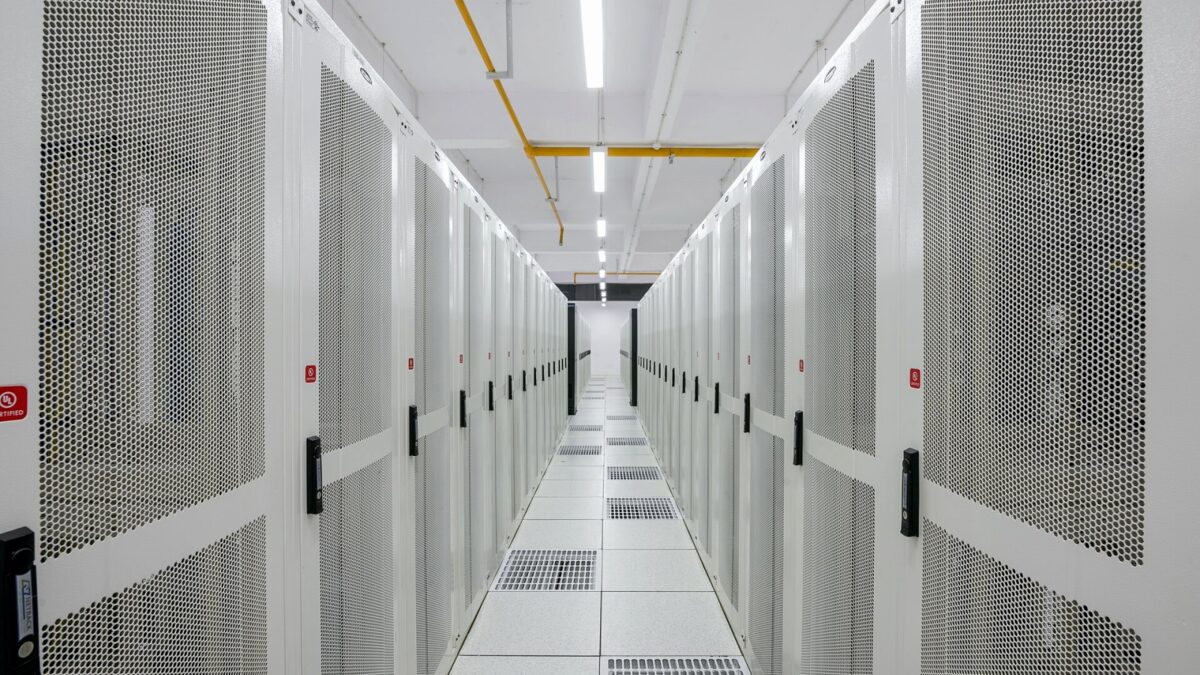
Hostinger says it has secured more than 3,000 servers in its largest hardware order to date, a move the company is framing as insurance against an infrastructure market where capacity has become slower and much more expensive to buy.
In a July 28 company blog post, Hostinger said the new fleet is already being deployed across its web hosting, cloud hosting, VPS and related infrastructure products. The company said the systems use recent AMD Genoa and Turin architectures, along with current-generation RAM, NVMe storage and networking components.
The more interesting part is not the server count. It is the shopping receipt. Hostinger said its overall server costs are now roughly five to six times higher than a year earlier, while some infrastructure components are six to eight times more expensive than in early 2025. It also said some manufacturers were sold out for the year, with lead times stretching from a few weeks in 2025 to around 30 weeks.
Hostinger pointed to what it called “RAMageddon”: a squeeze caused by AI infrastructure demand, reduced memory production after the post-COVID price drop, and depleted global inventories. The company said the shortage is affecting not only memory, but also CPUs, NVMe storage and broader server components.
Why hosting buyers should care
For site owners, the announcement is a useful signal from the hosting layer rather than just another vendor capacity boast. Shared hosting, managed WordPress, VPS and cloud plans all depend on providers being able to refresh and expand hardware on predictable timelines. If replacement servers, RAM and storage arrive late or at multiples of last year’s price, providers have fewer painless options: absorb margin pressure, slow expansion, change plan limits, or raise prices.
Hostinger’s answer is to buy ahead of the bottleneck. That may help its own customers avoid near-term capacity constraints, but it also underlines a broader market risk: AI infrastructure demand is competing with mainstream hosting for the same physical components. The cloud may still feel elastic at checkout, but somebody still has to find the DIMMs.
The item is also a reminder that reliability planning is partly procurement planning. A hosting provider’s uptime story is not only software, routing and support. It is also whether the replacement fleet exists when growth, failures or customer migrations require it.
Source: Hostinger, “Hostinger expands its global footprint and secures 3,000+ servers amid an infrastructure crunch”.